 Borzoi
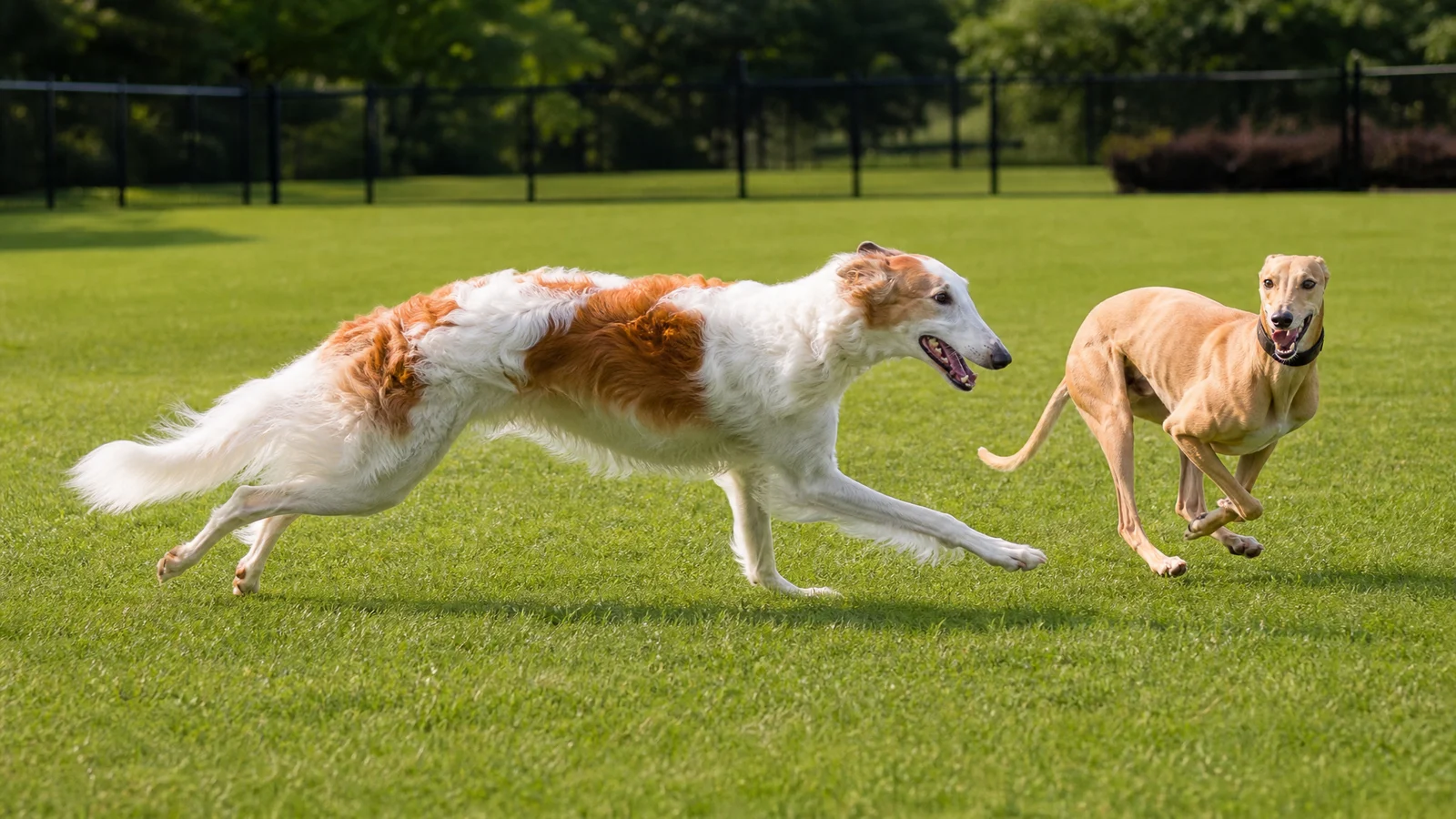
A Borzoi tears across the far end of the park, ears back and legs stretched long, and three dogs swing in behind them. At the gate, the owner cannot tell whether this is play or a chase about to go wrong.
Both are possible, and the line between them can vanish in seconds. Many owners describe a Borzoi play style built on chasing, keep-away, mouthy nips and rearing up, and other dogs often misread it. A big run can also set a whole crowd off after one dog.
This article covers dog park behavior for a Borzoi: whether to go at all, which setting and hours suit them, how to read chase play and the dogs around you, and when to leave.
Park or No Park for Borzoi Behavior
The first decision comes before any gate: is an off-leash park worth it for your Borzoi at all? Owners split on this, and both camps have good reasons.
Why Owners Quit
Many owners have given up on parks, or cut back sharply, after their Borzoi was chased, cornered, attacked or hurt. That fits a breed rated 3 of 5 by the AKC for getting along with other dogs, which is "with supervision" rather than "good with everyone." At a busy park, you are often the only supervision there is.
Why Some Stay
Other owners keep going and describe a very different dog. Their Borzoi loves small dogs and plays gently at their level, and has never been aggressive, even when snapped at. Borzoi were raised in large packs, and many still like having a canine friend.
Some Borzoi go the other way. They are shy with boisterous dogs and hide behind their person, or they simply have no interest in other dogs and prefer you. For those dogs, skipping the park costs nothing.
Our choice: go only on conditions, and treat a shy or uninterested dog's lack of enthusiasm as a fair answer. That answer protects the dog's confidence.
Park Settings That Suit Your Borzoi
Once you have decided to try, the next question is which kind of park. Pick a large, fully fenced space with plenty of room over a small, busy run. The parent club says a Borzoi belongs in a fenced area or on a leash and that letting one run loose is "never advisable," especially near roads, so the fence is not optional.
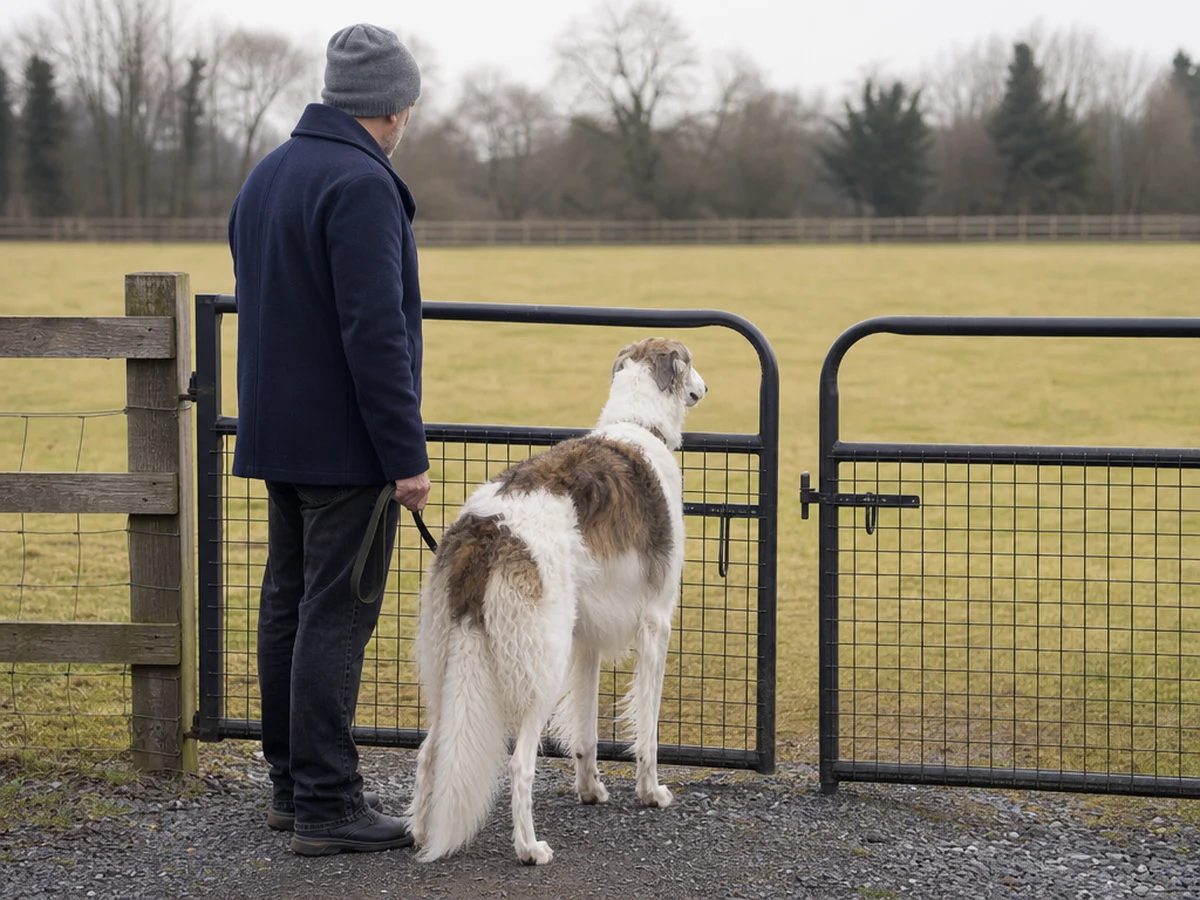
Size matters for a second reason. Owners report that big runs have set other dogs off chasing or cornering their Borzoi, and a tight space leaves a hunted dog nowhere to go. In a large park, a dog can run, curve away and escape pressure.
Puppies need a gentler start. The parent club advises play with puppies of the same age and size, and a growing Borzoi is often uncoordinated and clumsy. Ask your vet when a puppy's vaccines allow play with other dogs. Our Borzoi puppy training timeline shows how those first months unfold.
This is general information rather than medical advice. Ask your veterinarian whether a dog park suits your Borzoi's health, mobility and vaccination needs before you go.
Our choice: the largest secure park you can find, and matched playmates for any young dog. Space helps a Borzoi avoid being boxed in.
Timing the Visit for Calmer Behavior
Time of day changes the park more than most owners expect. A sighthound notices every change in their surroundings, and each new arrival through the gate shifts the energy. Owners who still use parks favor empty or off-peak hours and known regulars, because fewer dogs means fewer surprises.
Raise the difficulty slowly. Start with an empty park, then a single known dog, then a few familiar regulars. Planned play dates with dogs you already trust teach your Borzoi how to play with others without a crowd to complicate things.
Our rule: arrive when the park is empty or close to it, and leave when the crowd builds. Quiet entries make exits easier too.
Borzoi Chase Play Behavior
Chasing is the heart of how a Borzoi plays, and it is also where park trouble starts. In full stride they reach 35 to 40 miles per hour, so a Borzoi is likely faster than most playmates. A game that feels fair at a trot can turn into pursuit when one dog is far faster than the rest.
Fair Chase
Healthy chase play has give and take. Roles swap, so the chaser becomes the chased. Both dogs pause, shake off or bow, and then start again. Coursing hounds are expected to run with others without deliberately interfering, and the best park games look similar, with dogs sharing the run rather than one dog hounding another.
Pile-Ups
The risk comes when more dogs join. Several dogs converging on one Borzoi, or one dog who is always the target, is how a game becomes a gang-up. Your tool is a rewarded break. Call your dog out of play with a cheerful marker word, pay with a treat or a favorite toy, then release them back in if everyone is calm.
That call needs practice first, in a fenced area and on a 20 to 30 foot line. Treat it as a safety skill, not a promise. Coming to you should feel like the most fun your Borzoi has ever had.
Body Language
Watch for stiffness, stares, a tucked tail, or a dog who stops playing but keeps being chased. Dogs move up the ladder of communication step by step, and when their quiet signals get missed they turn to louder ones. Dogs also rarely bite without some warning. Keep an eye on your own dog too. A Borzoi who hides behind you is asking to stop.
Our rule: stay out of it while roles swap and your dog checks in with you, and step in the moment anyone is cornered, one dog is always the target, or several dogs converge.
Reading Other Dogs' Behavior
You cannot control who arrives, but you can decide who plays with yours. Some owners find their Borzoi plays gently with small dogs, matching their gentleness to the other dog's size, while others have a dog who is shy with boisterous dogs or simply not interested. Stay close with a young, clumsy dog, since a giant adolescent can flatten a small friend without meaning to.
Some big working and herding breeds are too much for many Borzoi. Dogs who stare, rush in or ignore your dog's attempts to disengage are poor matches. Owners also warn that new arrivals can change the mood in a moment, so look at each dog as they come through the gate.
If your Borzoi backs away from a boisterous dog, don't push them to face it. Move away together and help them through at a distance. Regular vet visits are worth keeping up as well, so any change in how your dog handles other dogs can be checked early.
Our rule: go in when the crowd is small and the dogs are known or gentle, and skip the park when a boisterous pack is already running. Crowd quality matters more than a fixed schedule.
Leaving the Park With Your Borzoi
Leaving is a skill, and a fast dog makes it harder. Walk toward your Borzoi calmly, show a treat, clip on the leash and reward. Never chase them, since a chase is the game they play best. Practicing leash manners at home makes the exit smoother, and our guide to leash training a Borzoi covers them.
Leave early rather than late. When you limit exposure to triggers, your dog stops practicing the behavior that goes with them. A Borzoi who gets out before things sour goes home relaxed and eager to return.
Our leave trigger: any cornering, any dog who keeps targeting yours, a new dog who shifts the energy, or your Borzoi hiding behind you. Leave before your dog has to solve the conflict.
Borzoi Park Behavior Rules
Pulled together, the conditions owners rely on come down to a short list. Check each condition before you unclip the leash.
- Go only to a large, fully fenced park, and only at empty or off-peak hours.
- Prefer known regulars and gentle small dogs, and match puppies by age and size.
- Let chase play continue only while roles swap, and call a rewarded break before a pile-up.
- Practice your recall fenced and on a long line, and never count on it in open country.
- Leave at the first cornering, targeting or sign that your dog wants out.
Three questions tend to follow from here. How do you keep a Borzoi close on a walk? Our Borzoi leash training guide answers that. How do you build good dog manners from the start? The Borzoi puppy timeline lays out the months. And what about a newly adopted adult? See training an adult or rescue Borzoi for the settling-in weeks.
The park is a supervised extra for a Borzoi, never the plan. They are sighthounds who are apt to chase anything that moves, with play that other dogs misread, so their running is safest in a fenced space with a few trusted dogs. If you meet that need on your terms, you will not rely on a crowded park to do it, and your Borzoi will be calmer, safer and happier for it.
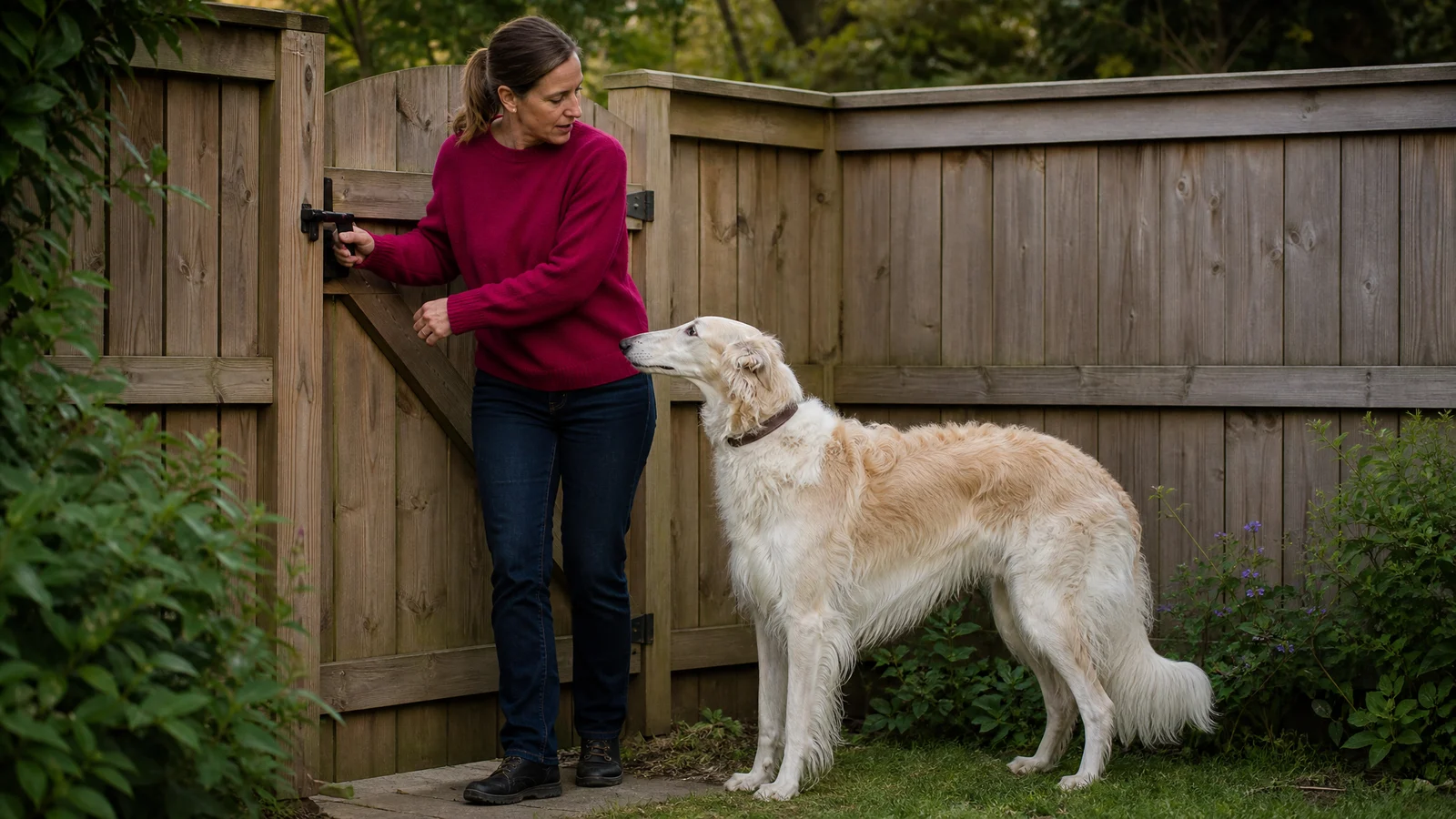 Training basicsKeeping a Borzoi Safe: Fences, ID and a Lost-Dog Plan
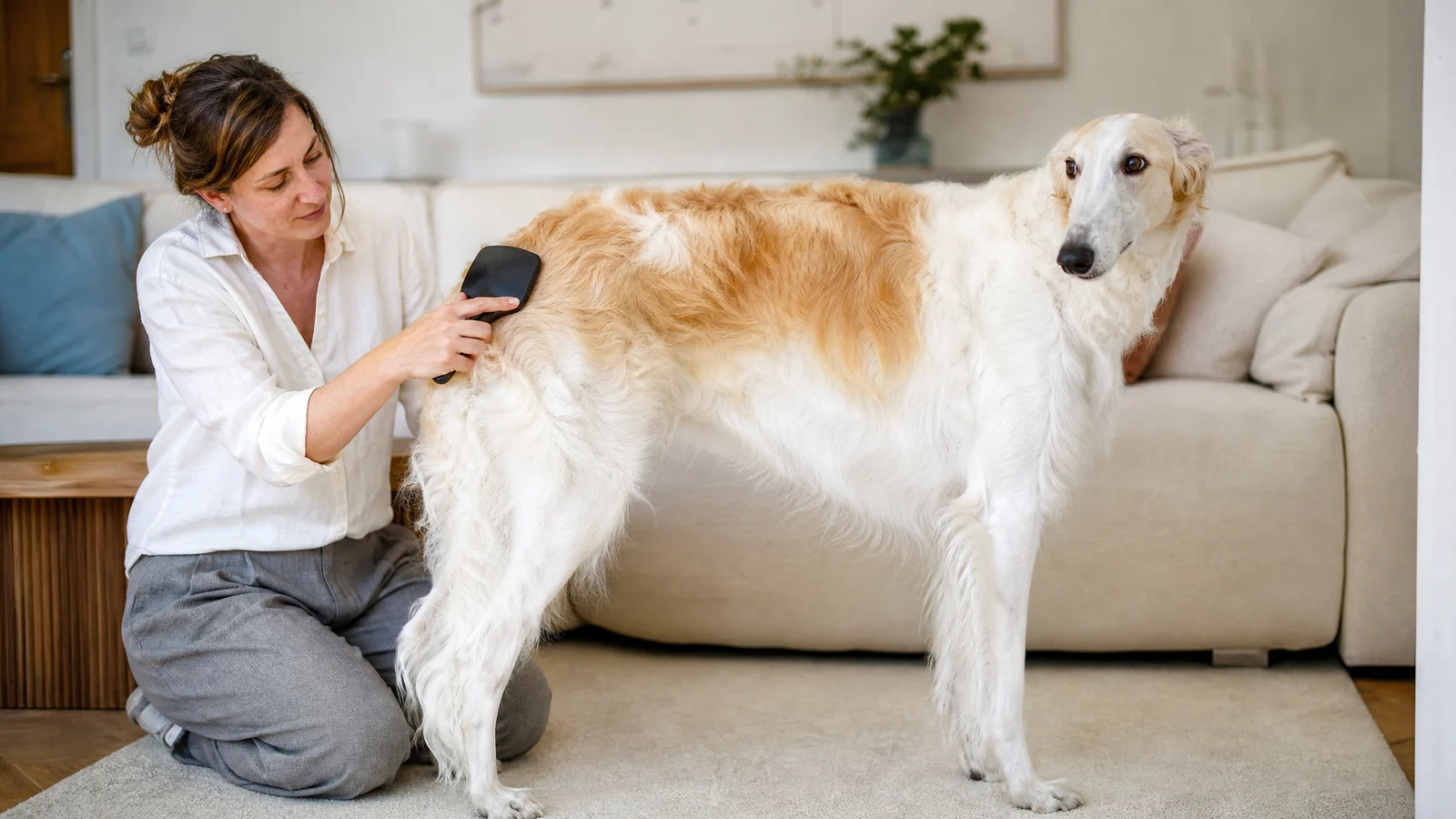 CareBorzoi Grooming: Brushing, Mats, Nails and Baths as Training
 BehaviorBorzois and Sudden Noises: Building Calm Confidence at Home