 Borzoi
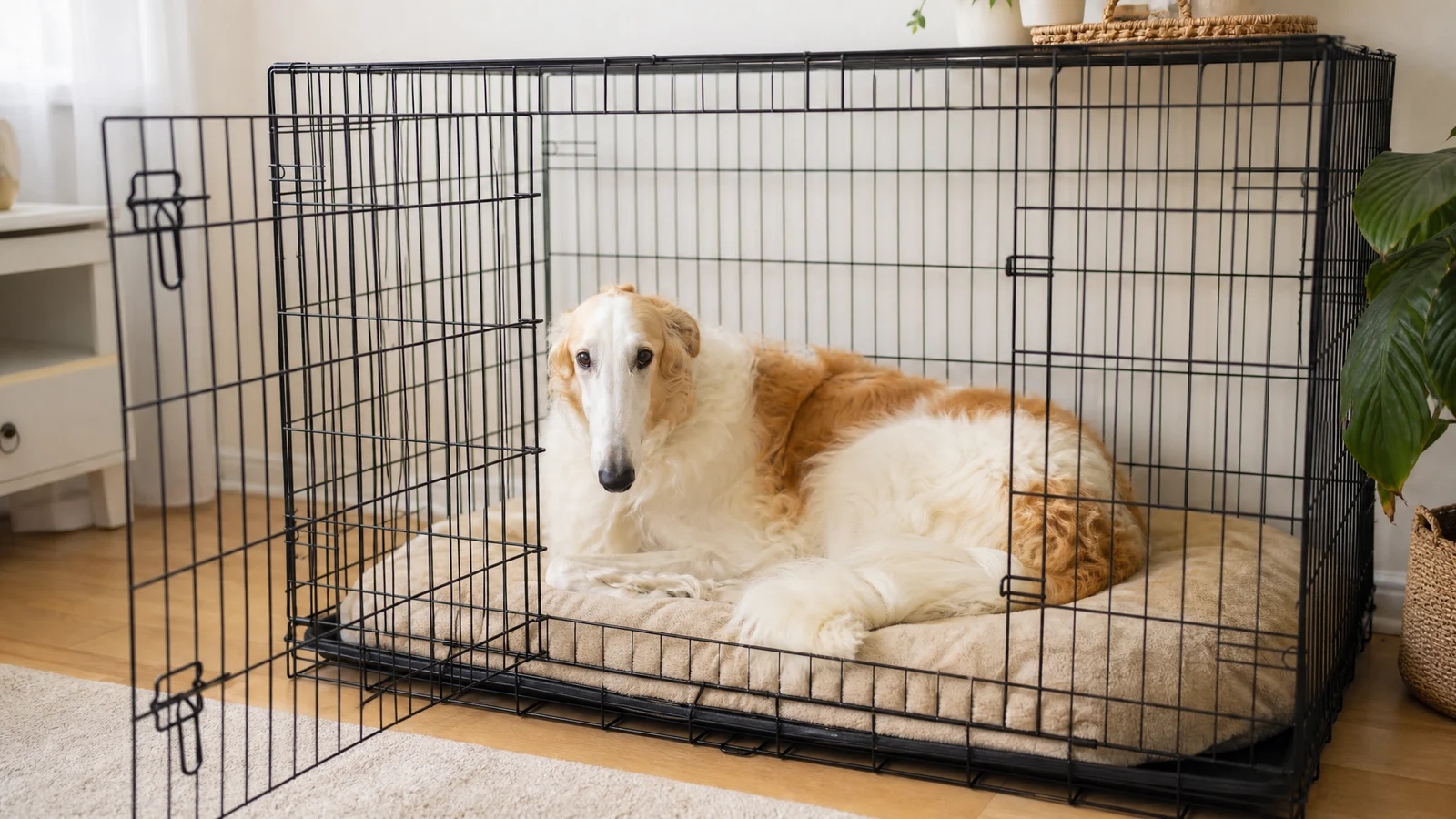
Standard advice says to buy a crate sized for the adult, keep early stays brief and hold to a steady routine. Some Borzoi owners ended up sizing the crate up quickly for a long, leggy puppy. Some bought the biggest crate they could on day one or jumped to a 54-inch model early, and some adults now pick that crate as their favorite bed. A few puppies, though, screamed for up to 20 minutes whenever their people left.
This article looks at crate size, the first days, the growing months and the hours your dog spends alone. Read on to learn which dimensions suit a giant hound, why an open door is the best start, how the teenage months test your routine and what a settled adult needs while you are out. Borzoi stay puppies for a long time, so a patient beginning pays off for years.
Sizing the Adult Crate
You are shopping for the dog your puppy will become, not the one asleep on your lap. Size decides how much floor space you need, where the crate can live and how you shrink the space for a small youngster. The parts below cover dimensions, dividers and placement.
The Dimensions
An ideal adult Borzoi crate measures 26 inches wide, 36 high and 48 long, big enough for the dog to stand, turn around and lie down without being cramped. A crate sold as large for ordinary big dogs will probably fall short. Check the inside measurements of any model against those numbers and ignore the size name on the box.
Owners tend to land in the same place. Some bought the largest crate available at the start, some moved up to a 54-inch crate early, and some had kennels built at full adult size. They say their adults love these crates and choose them over other beds.
Dividers for a Growing Puppy
A huge crate can swallow a small puppy and invite them to use one end as a bathroom. For a growing puppy, a larger crate with a divider solves this. Give only enough room to stand, turn and stretch out, and move the panel back as the legs lengthen. Recheck every couple of weeks, because a Borzoi puppy can outgrow a setting before you notice.
Where the Crate Goes
Choose a spot against a wall, out of the main walkway and away from busy doorways. A sighthound notices every change in their surroundings, so a crate beside the front door keeps them watching instead of resting. Buy for the adult, divide for the puppy.
Setting Up the Borzoi Puppy Crate
The first days decide whether the crate feels like a den or an argument. Borzoi are sensitive and independent, so the method that suits them is slow and entirely voluntary. Crate comfort is relatively easy to teach this breed, and most grow to treat the crate as their special home, even with the door left open.
Location and Feeding
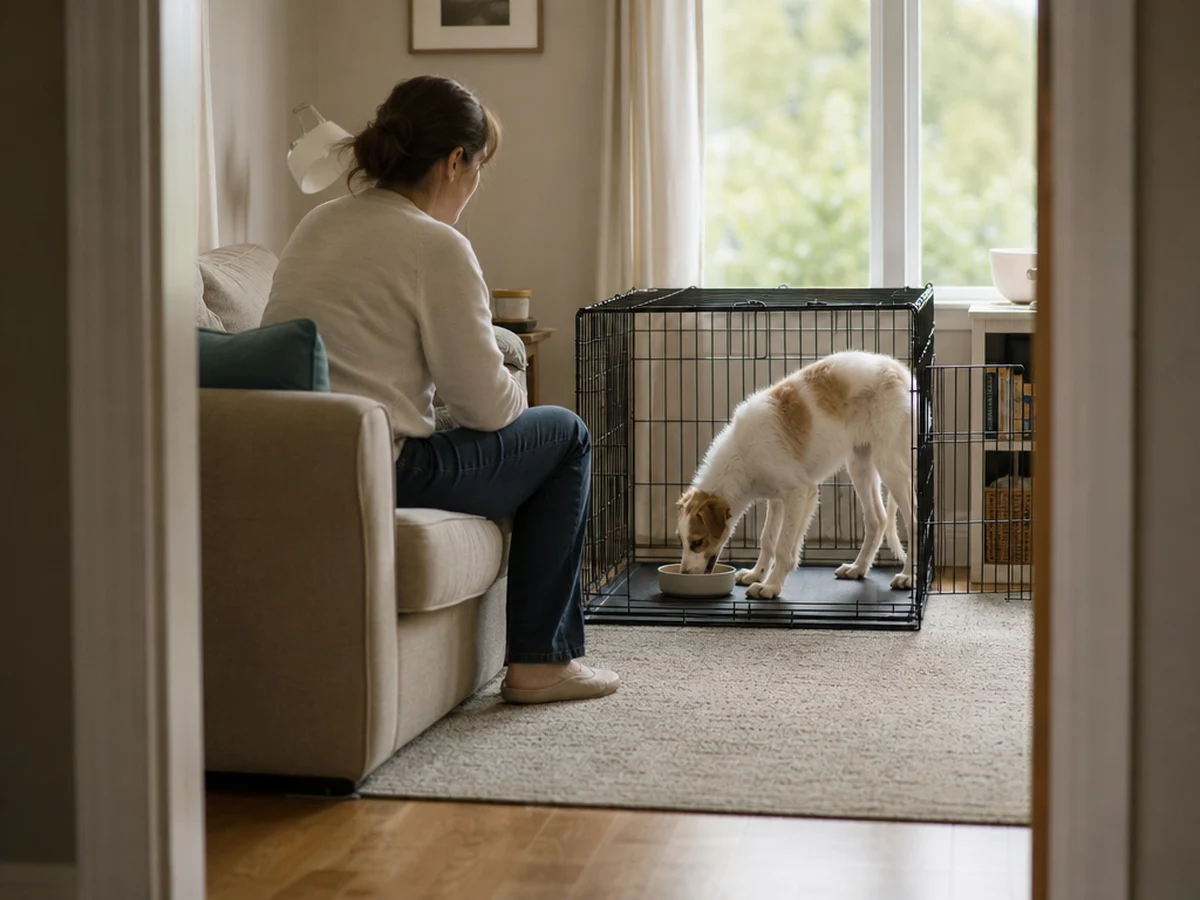
Start by putting the crate, door open, in the room where you spend the most time with your dog. An affectionate family dog does not want exile to a back room. Serve meals inside, and as your puppy steps in, say a cue such as "crate" or "kennel up." Then work through this order, moving on only when your puppy is relaxed at the current step:
- Crate in the busiest room, door open all day.
- Meals inside, with the cue as they enter.
- After a few days, close the door briefly, but only once they walk in on their own.
- Open the door while they are quiet.
- Add a stuffed interactive toy before any longer stay.
Your puppy always goes in by choice and is never pushed or carried.
The First Nights
Expect some protest. Crate training takes at least a few weeks and can take far longer, so follow your puppy's pace, not the calendar. Keep the crate within earshot at first so you can hear when a calm puppy turns restless and needs a trip outside. Book a regular vet visit early and ask about anything that worries you.
Crate Training at Months Three to Six
These months bring a bigger, faster puppy who is still very much a baby. The work is to lengthen stays in small steps while the household routine stays steady, because Borzoi notice every change and difficulty should rise slowly. House training runs alongside, and very young puppies may need outside trips about hourly.
Lengthening the Stays
Close the door while you sit in view, then move around the room, then step out of sight for a moment and return. Reward quiet and open the door while your puppy is calm, so fussing never works as a key. Vary the lengths, keep comings and goings dull, and hand over a stuffed toy for the longer stretches.
Some puppies cry the instant their people leave sight. Owners work on this with very short absences that grow gradually, and that is the approach we favor. The crate also helps through teething, so keep a proper chew inside.
When to Ease Up
Progress is rarely smooth. If it stalls, even with meals in the crate and quiet rewarded, return to the last step that was easy, shorten sessions, add exercise beforehand and build up again. Slow is not failing with a hound this size.
The Teenage Borzoi Phase
Adolescence arrives with plenty of puppy still inside. Borzoi are puppies for a long time, so the destructive tendencies of puppyhood last a long time in a very large dog. After reviewing 89 Borzoi owners' first-hand accounts, we can say the pattern is a long, bumpy stretch where steady crate habits hold the household together.
Spotting Distress
Owners report house training still incomplete at 7 months, accidents when left alone and puppies who escape every enclosure. None of this proves a deeper problem. What deserves attention is a dog who cannot settle at all after weeks of patient practice, so mention it at your next regular vet visit and ask for a referral to a qualified behavior professional if it persists.
Changing the Routine
Boredom drives some destructive behavior, and attention and exercise often help. Tire your dog before a crate stretch and put a chew or stuffed toy inside. Some owners describe young Borzoi who mouth in play when excited, even when they clearly know better, and some nibble clothing near 10 months. At 16 months some still prefer shoes and shirts to toys.
Owners report only partial results from redirecting to toys and pausing play, so keep tempting items out of reach as a general habit. Our guide to puppy mouthing and teaching a trade covers the hard grip some dogs show when something is taken away, and common Borzoi behavior problems explains the instincts behind these habits.
Adult Borzoi Time Alone
Adult Borzoi are catlike, independent and undemanding in the house, which can make it tempting to stretch the hours. We have no Borzoi-specific limit to offer, so lean on general guidance and watch your own dog. The crate is for rest and safety, not for filling a workday.
Building a Schedule
General guidance from the RSPCA warns against shutting a dog in a crate through a whole workday and puts a trained adult's comfortable stretch at about three hours. For long absences, a crate indoors or a secure outdoor kennel run are the options Borzoi people use, ideally with a midday visit from someone you trust.
Enrichment Before You Leave
A short routine keeps absences uneventful:
- A proper outing in a secure place, since exercise and attention take the edge off boredom.
- A toilet trip right before you go.
- A frozen stuffed toy that gives your dog a job.
- A calm exit with no long goodbye.
Warning Signs
If a reliable adult suddenly starts chewing, having accidents or trying to escape, go back to short practice absences and mention the change to your vet.
Life With a Crate-Trained Borzoi
Over the long run the crate changes jobs. In the first months it supports house training, teething and unsupervised moments. Later it becomes a chosen resting place, and adults who head to their kennels unprompted show where the slow start leads. Rules relax as your dog matures, and you will use the door less and less.
Fewer rules does not mean none. Keep the bedding comfortable, keep a stuffed toy handy and keep absences dull. As your dog reaches senior age, watch how easily they get in and out, and keep up regular checkups. Your wider Borzoi training plan carries on alongside.
Expect the crate to be relatively easy to teach, and expect the management around it to last longer than usual. A giant, sensitive hound who stays a puppy for a long time needs a crate sized for the adult, an open door at first and short absences that grow slowly. Give them that, and the crate becomes a favorite room, not a restriction.
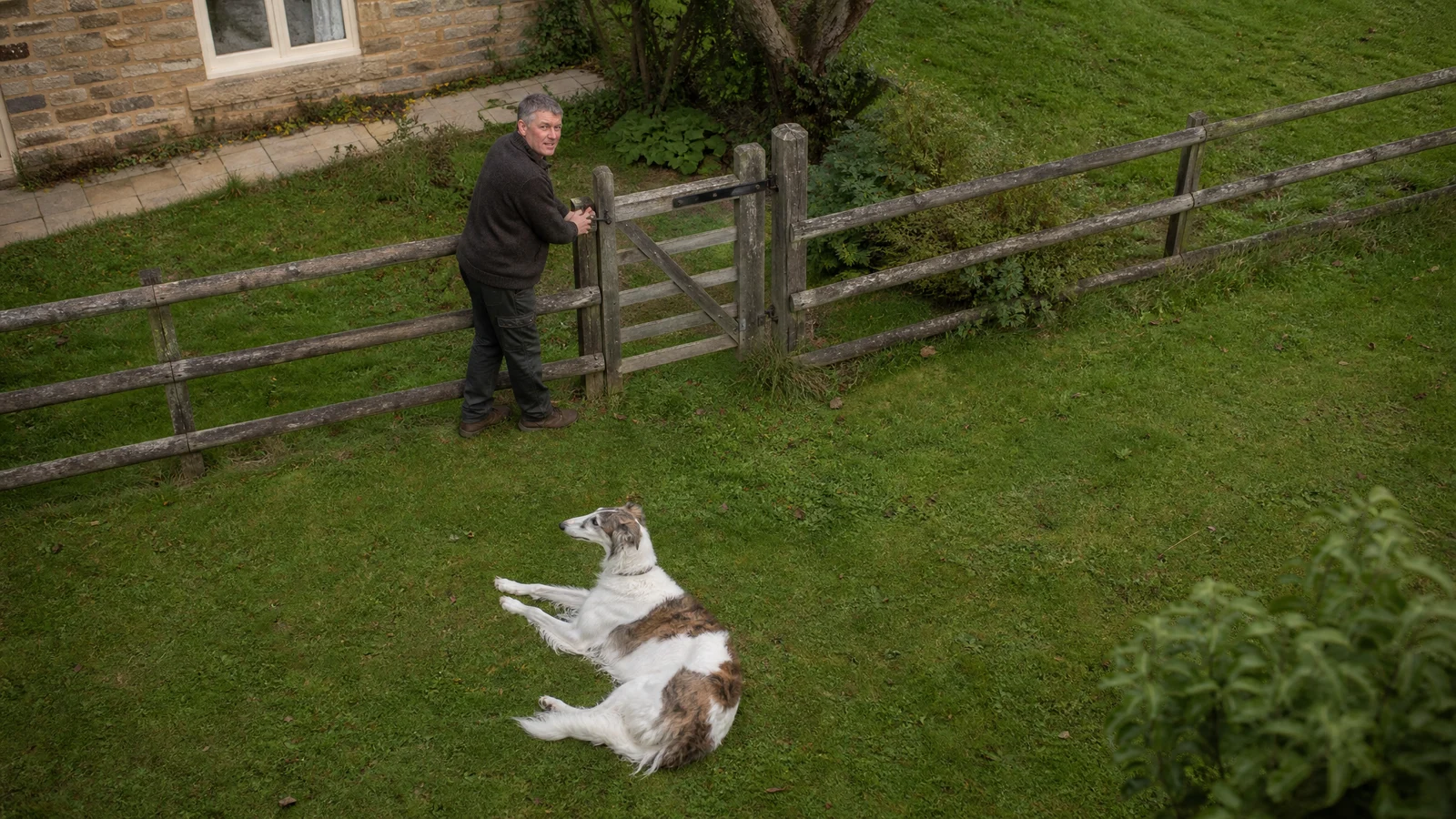 Exercise and jobsHow Much Exercise Does a Borzoi Need? Plus Brain Games
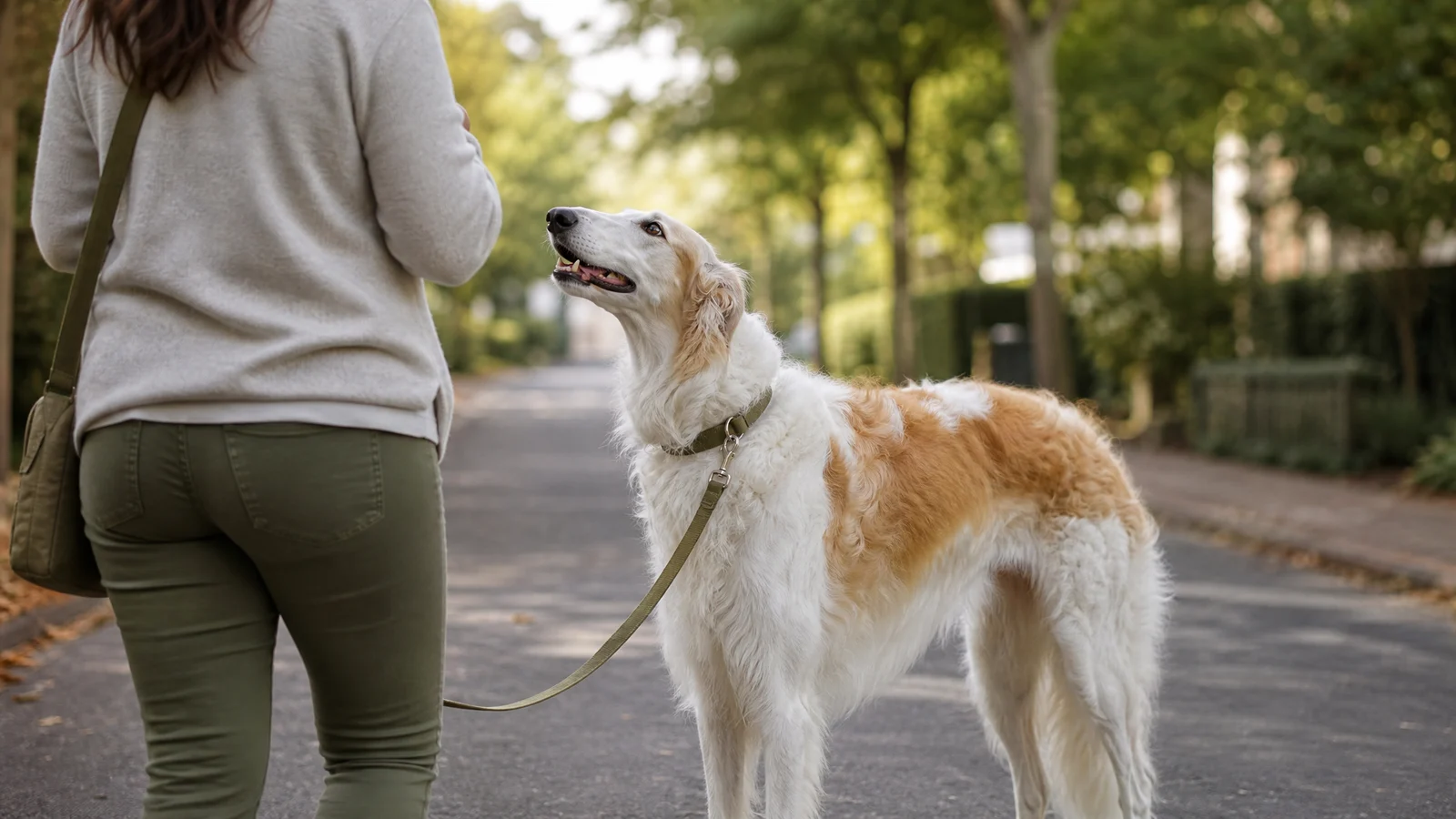 Training basicsLeash Training a Borzoi: Pulling, Lunging and Loose-Leash Walking
 BehaviorLiving With Cats and Small Pets: A Borzoi Safety Guide