 Borzoi
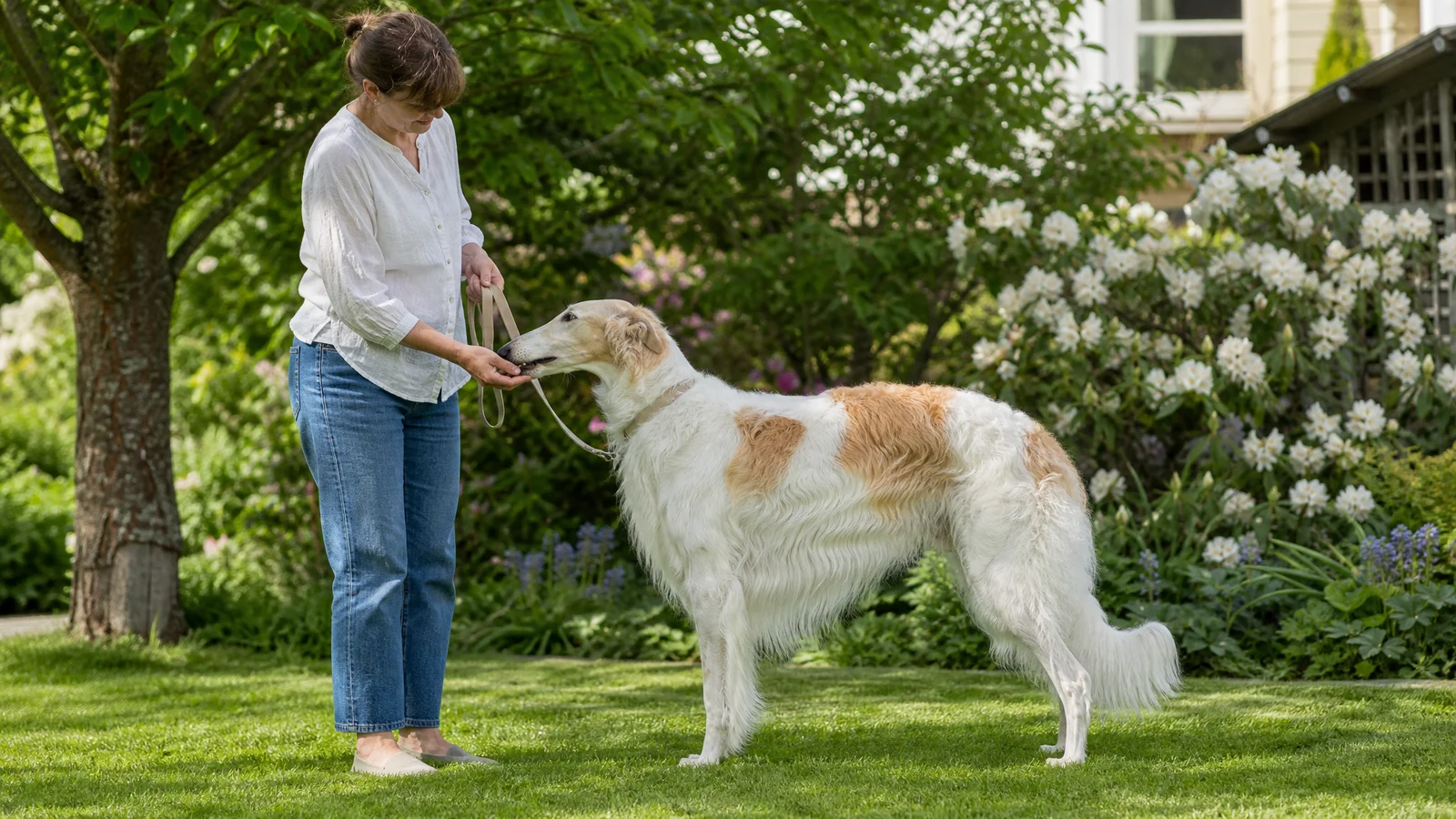
Yes, a Borzoi can be trained, but it takes a different approach from most breeds, and the difference is not more force or more repetition. The AKC rates trainability at 2 of 5, toward the self-willed end of the scale, and calls the breed intelligent and very affectionate but independent and sometimes stubborn.
That rating describes how a Borzoi works, not what they can learn. They are sensitive dogs, so answering independence with pressure gives you a slower, quieter dog who is harder to reach. Handle it well and you live with a gentle sighthound who chooses to cooperate. We have trained this breed for many years, and the pattern holds: change the method and the dog follows.
In this article, we'll go through why firm handling backfires, how short bursts and chase rewards work, and how to build safety instead of off-leash freedom.
Borzoi Training Compared With Afghan Hound Training
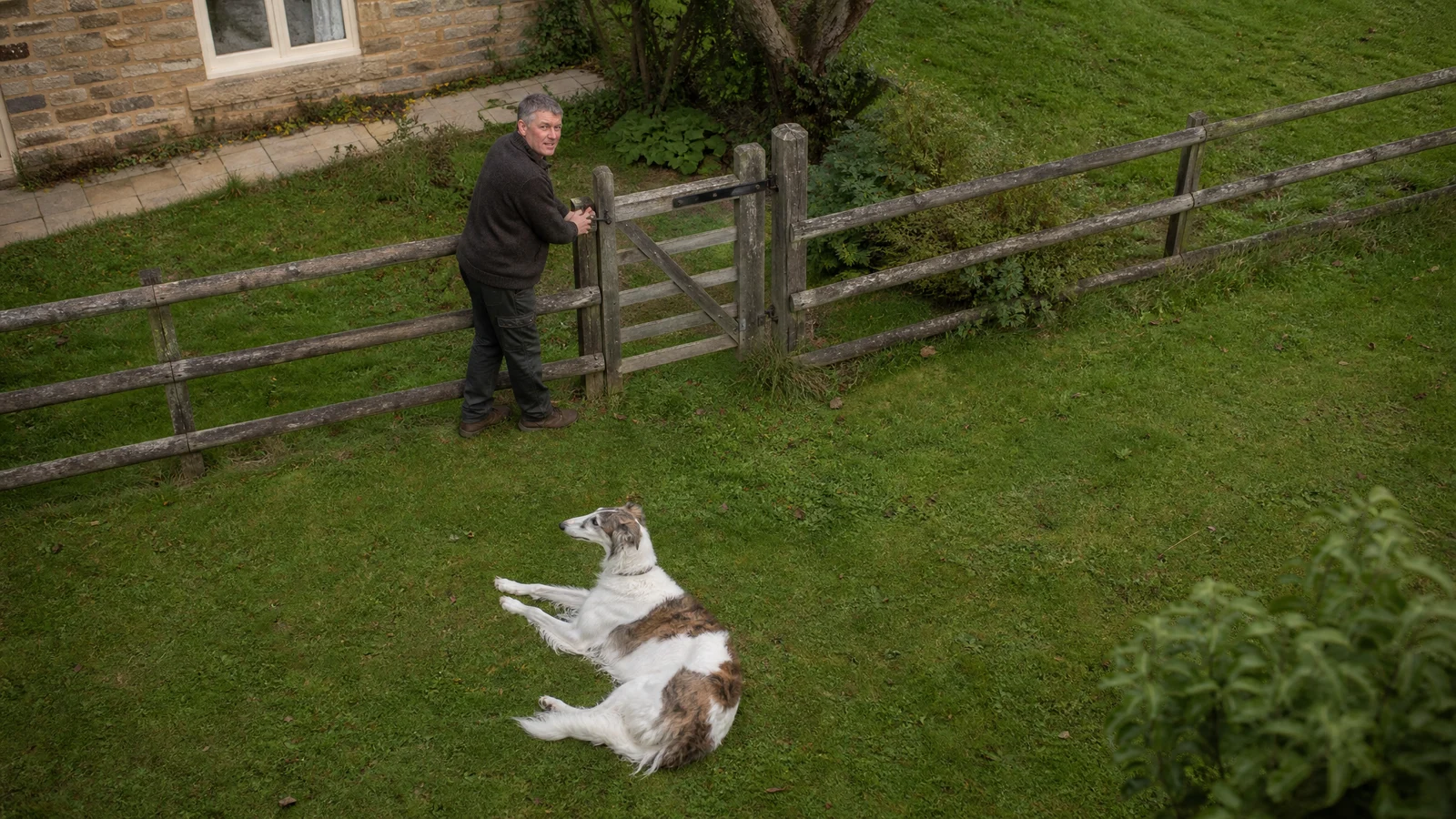
Plenty of owners lump the Borzoi in with the Afghan Hound, another elegant sighthound, and advice written for one tends to get lifted onto the other. Some of it fits, because both were bred to notice movement and chase what they see. But a shared silhouette is a poor basis for a training plan, and we would rather you plan around the dog on your couch than the one in the photo.
Where Sighthound Advice Carries Over
Anything true of sighthounds as a group applies here. They are apt to chase anything that moves, so they belong in an enclosed area or on a leash. They notice every change in their surroundings, so you raise the difficulty slowly and fairly, and a new place will hold their curiosity until training has built some trust. None of that is a flaw to be trained out. It is just the type.
Where This Breed Needs Its Own Plan
What belongs to the Borzoi is the combination. They are sensitive and do better with positive methods, they are giant dogs who reach 35 to 40 mph in full stride, and they shrug off accidental bumps but do not forgive rough treatment. In this breed, how you handle them is part of the training itself. We can only speak for Borzoi here, and dogs vary, so read your own dog before borrowing advice from any other breed.
This is general information, not medical advice. Check with your veterinarian before any medicine or diet change.
If a trainer says they have worked with sighthounds, ask what they do when a dog walks away mid-lesson. The right answer is a better reward and an easier task. Also ask about nose work. Borzoi live much of their lives through their noses and can learn to follow human scent, which surprises people who expect a sighthound to be all eyes.
Why Firm Obedience Training Falls Short for a Borzoi
The usual advice for a dog rated self-willed is to be firmer: repeat the cue, wait them out, make sure they know you mean it. With this breed that backfires. Borzoi are sensitive, so pressure does not produce obedience. It produces a dog who goes quiet, stiff and very good at looking past you. A giant sighthound who has decided the lesson is unpleasant will simply be somewhere else, politely, for a long time.
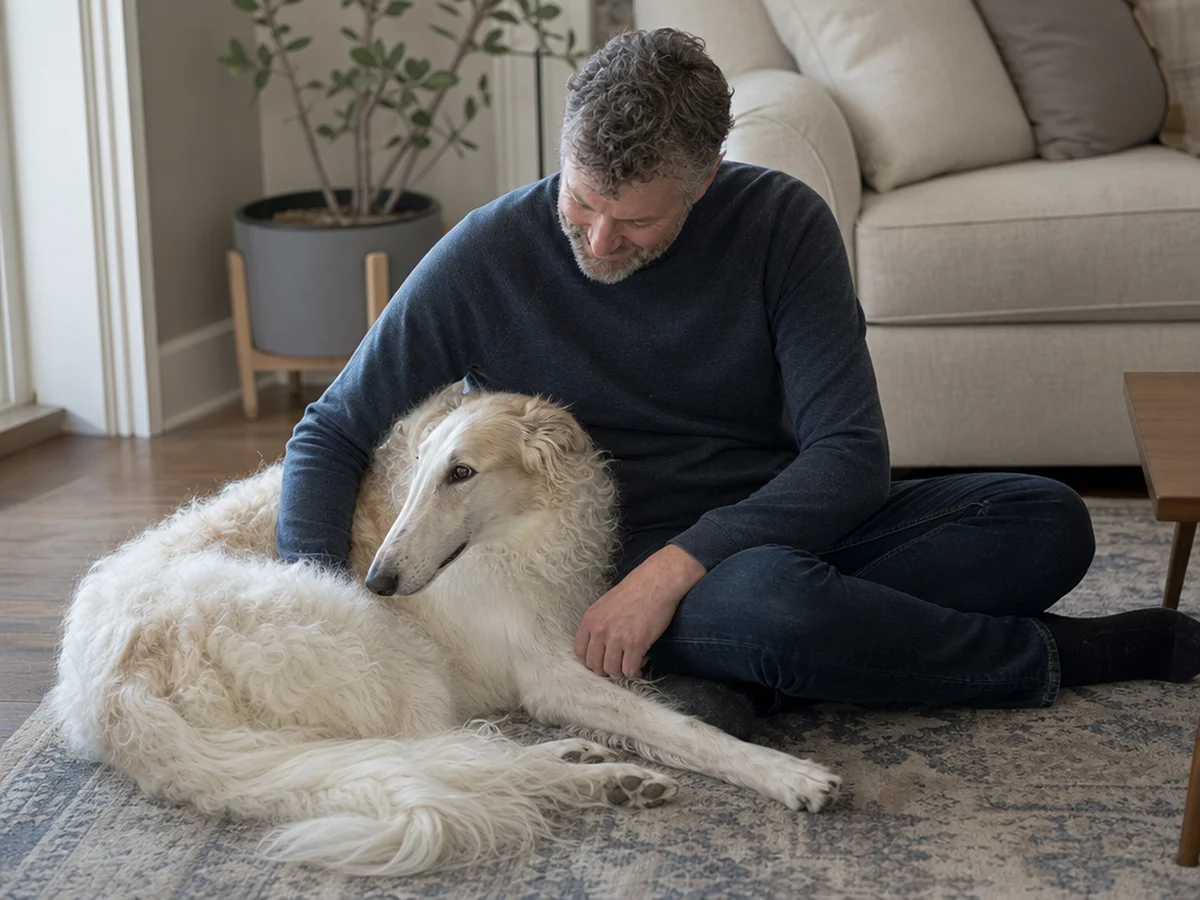
What works is less dramatic. Positive methods suit this breed, and the wider evidence agrees, since several survey studies found better obedience when dogs were taught through reward-based methods. Patience, consistency and good humor do the heavy lifting. The owners who get furthest stop arguing with the dog and start paying them.
Stubbornness Is Usually About Wants
Most of what owners call stubbornness turns out to be about what the dog wants. The couch, your spot on the couch and the next hour of window-watching all outrank a cue delivered in a flat voice, so owners describe dogs who ignore the cue or go dead weight. That is a pay scale problem, not a character flaw. The fix is a better offer, and sometimes the couch itself, handed over as the reward for getting off and invited back on.
Reward strength matters more than most owners expect. Many find that a truly high-value food, the kind from the kitchen rather than the treat jar, paired with enthusiastic praise teaches on and off cues quickly. Food-motivated dogs pick up basic cues readily despite the breed's reputation, and some puppies learn other cues without any fuss at all.
Rough Handling Gets Remembered
One more reason firmness fails is that Borzoi are not tolerant of rough treatment. Owners report the same split again and again: accidental bumps and being stepped on are tolerated, but deliberate roughness is not forgiven, and the dog's reply can come fast. Teach children respectful behavior around them, and treat each training moment as a negotiation. You are not working with a breed that says yes on request, but one that says yes when asked well.
Short Varied Training Bursts Instead of Repetition Drills
The classic obedience routine is one long block: a single cue, endless repeats, a stern face. Borzoi seem to work best in sessions of two to three minutes, several times a day, and the break matters as much as the work. Play tug, throw a toy or reload your treats, then do another rep. A long drilling block gets you a dog who studies the wall, while a few minutes of well-judged work leaves them keen for more.
Short does not mean this breed cannot repeat anything. Rally competitors say their Borzoi learn exercises quickly when the trainer is persistent and expects the dog to learn, against the common view that the breed gets bored and shuts down after a few minutes. We think both are true. Repeat skills freely, but spread the repetitions across the day and across places. The more fun a session is, the more they look forward to the next one.
Handlers who work with Borzoi add a useful rule: let the dog tell you when they are done, and finish before that point. A session that tends to work looks like this:
- Pick one skill and ask for a few reps, rewarding each one right away.
- Stop while the dog is still engaged, before they start drifting toward the window.
- Break with a game of tug, a thrown toy or a mat and a stuffed toy.
- Come back later in the day for another short session.
- Finish on something easy so you both end on a positive note.
Group classes help a Borzoi learn to follow cues in different places, but most cannot work for the full hour. Bring a mat and a frozen stuffed toy, alternate short bursts with settling, and you teach them to switch off amid activity, which is a skill worth more than a pretty heel. Choose a positive-reinforcement class, watch one or two sessions first, and look for one instructor to no more than five or six dogs.
Puppy Training Windows Against the Adult Dog's Habits
The common plan is to finish everything in puppyhood while the dog is small enough to manage, then coast. A Borzoi runs that plan straight into growth. Pups grow in leaps and bounds, and in the awkward stage they may sit crooked or slowly, downs can be sluggish and holding a stand may be nearly impossible. That is a body problem, not a will problem, so be patient. It passes, and our Borzoi puppy training timeline and awkward stage guide take you through it.
What the Puppy Months Hold
Teething, at 4 to 5 months, is another growth period, and last week's easy task can be impossible this week. Put intense training on hold, keep socializing and mention any worry about growth at your regular vet visits. Borzoi are puppies for a long time, so puppy destructiveness lasts a long time in a very large puppy, and boredom feeds some of the damage. Attention and exercise often help, and Borzoi puppy mouthing has separate fixes.
This table sets the windows against what you will likely meet as the dog matures.
| Stage | What to build | What to expect |
|---|---|---|
| Awkward growth | Name, calm greetings, short happy sessions | Crooked sits, slow downs, a stand that won't hold |
| Teething, 4 to 5 months | Socializing and easy cues | Wavering concentration, skills that come and go |
| 12 to 18 months | Steady routines and rules | Sexual maturity, with a female's first heat at 2 years or later not uncommon |
| About 2 years | Polish and slow distractions | Physical maturity |
What the Adult Brings Home
Adulthood brings habits you did not train. Many owners describe affection on the dog's terms: a lap dog who also wants space, usually in the same room, and who walks off when they have had enough. Others describe the opposite, a people-oriented dog at the door seeking cuddles, and owners of two often see both kinds under one roof. Energy is just as personal, with one dog needing daily play while the next is a couch potato.
Plan around the dog you have, not the last one. If you would rather skip the puppy stages, an older dog has already been through housebreaking, teething and leash breaking, and a well-raised adult usually adapts to a new home. Basic skills can be taught at any age.
Chase as Pay Versus Treats in Training
Standard advice says to reward with a treat and call it done. A Borzoi can hear that advice and stroll off, because for a breed built to run down moving things, a cube of liver is a small offer next to a toy skittering across the grass. The speed and desire to chase a moving object can be used to reinforce the dog in training. Treat it as your top-shelf reward and spend it on the skills that matter most.
Where Food Still Wins
Food is not the villain. Many owners report reward-based training working when the treat is strong enough, and it suits new skills, precise work like a settle on a mat, and indoor sessions where nothing is running. One wrinkle is that Borzoi are surprisingly small eaters for a giant breed, so check whether food keeps its value halfway through a session. Too many treats can cause obesity, so factor them into the day's meals.
Finding the Top Reward per Dog
Here owners differ, so do not assume. Some Borzoi ignore a thrown toy entirely, and owners with several dogs find some retrieve and some do not. Rewards also shift with the dog's mood, so test food, tug, a toy, calm praise and a release to run, and keep a mix. If your dog treats a thrown toy like modern art, try something that moves away from them, or the promise of a run in a fenced space.
One practical use: ask for a sit at the gate of a fenced yard, then release them to run as the reward. The dog learns that polite behavior opens the door to the best part of the day.
Training for Safety Rather Than Off-Leash Freedom
The standard dog-training arc is to teach a recall, proof it in busier places and then enjoy a dog off leash on the trail. With a Borzoi that arc has no last step. Their chase instinct is intense, so they should not be let off leash anywhere that isn't secure, and at 35 to 40 mph a dog who ignores one call is out of reach within seconds. We would rather you accept that now than learn it from the far end of a field.
Management Comes First
Owners tell the same story in different words: recall that works beautifully until the dog sees an animal, and then doesn't. Some keep a dog from lure-coursing lines leashed on every hike.
A few let a young dog run free in the woods and report that it is fine most of the time, which is a comforting statistic right up to the deer. Escapes are common too, with tall fences jumped, hidden boards pushed out, gates opened and guests leaving the front door ajar. Walk the fence line, check latches and brief visitors.
Teaching Recall Anyway
Teach it all the same, as a safety skill for fenced areas and emergencies and never as a promise of freedom in open country. Your aim is a dog who thinks running to you is the most fun they have ever had, and the chase reward from the last section is the payoff. Do all early work somewhere secure, such as indoors, in a training building or in a fenced area, and use a leash or long line anywhere else.
- Start indoors with a happy voice and a reward worth sprinting for.
- Add distance in a fenced area, raising the difficulty slowly and fairly.
- Move to a long line in new places only when the fenced work is solid.
- Call only when you can make coming great, never to end something the dog loves without a payoff.
Their safety is your first priority, so whatever a recall cannot guarantee, a fence and a leash must.
Training Your Borzoi Differently Starting Monday
Everything above comes down to one idea: change the method, not the dog. Your Borzoi will not become a dog who says yes to every cue, and that is not the goal. You want an intelligent, affectionate, sensitive sighthound who cooperates because it pays, because it is fun, and because their safety rests on a fence rather than on hope. Give them a long timeline too, since they are physically mature at about 2 years.
In week one, find your dog's top reward by testing food, a toy and a short chase in a secure space. Run several two-to-three-minute sessions a day on one easy cue, ending each on a win. Walk your fence line and check every latch. Start recall indoors, and let the dog learn to settle on a mat with a stuffed toy while the household carries on around them.
In week two, move the same short sessions to a second quiet place and start recall on a long line inside a fenced area. Watch a class or two before joining one, then pick a first goal: a family manners class, the Canine Good Citizen test or Rally Novice, which is all on leash and lets you talk to the dog. Practice daily, because you are the one who trains this dog.
Progress will be uneven, and the dog will probably still prefer the couch. Change the method and keep the dog.
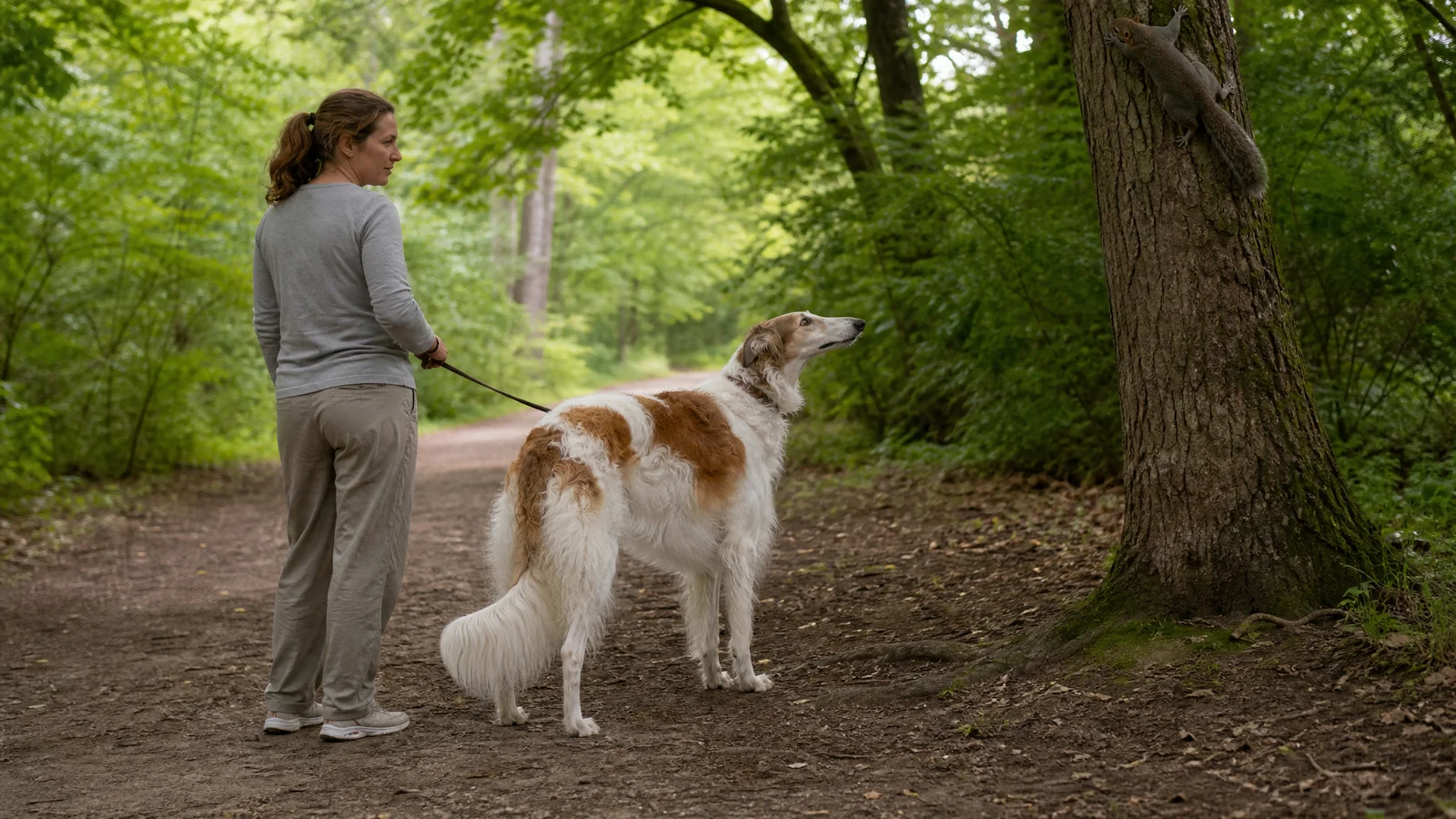 BehaviorCommon Borzoi Behavior Problems and the Instinct Behind Each
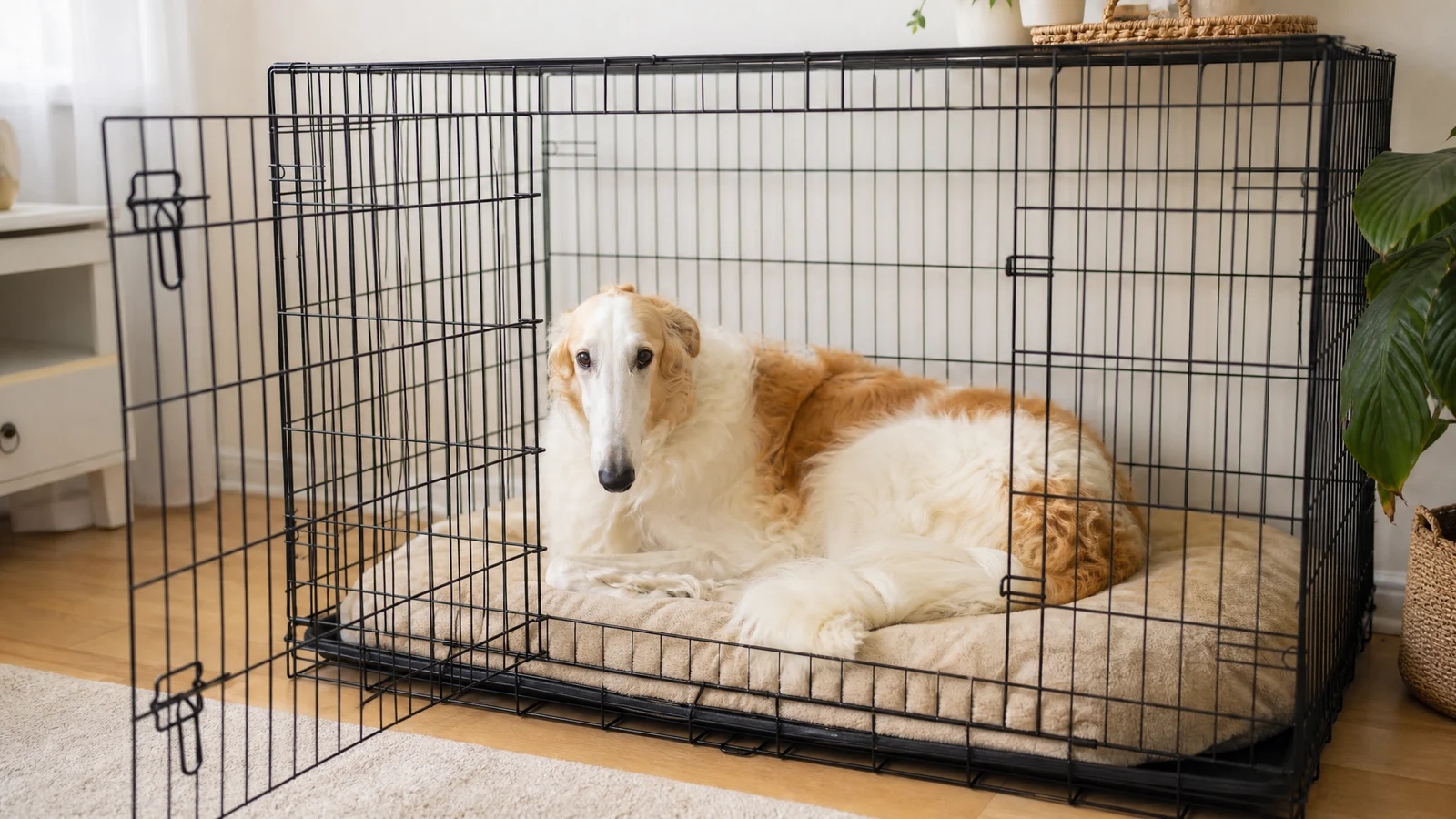 Training basicsCrate Training a Borzoi: Crate Size, Setup and Time Alone
 Exercise and jobsHow Much Exercise Does a Borzoi Need? Plus Brain Games