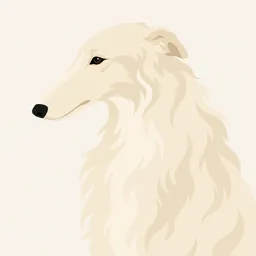
 Borzoi
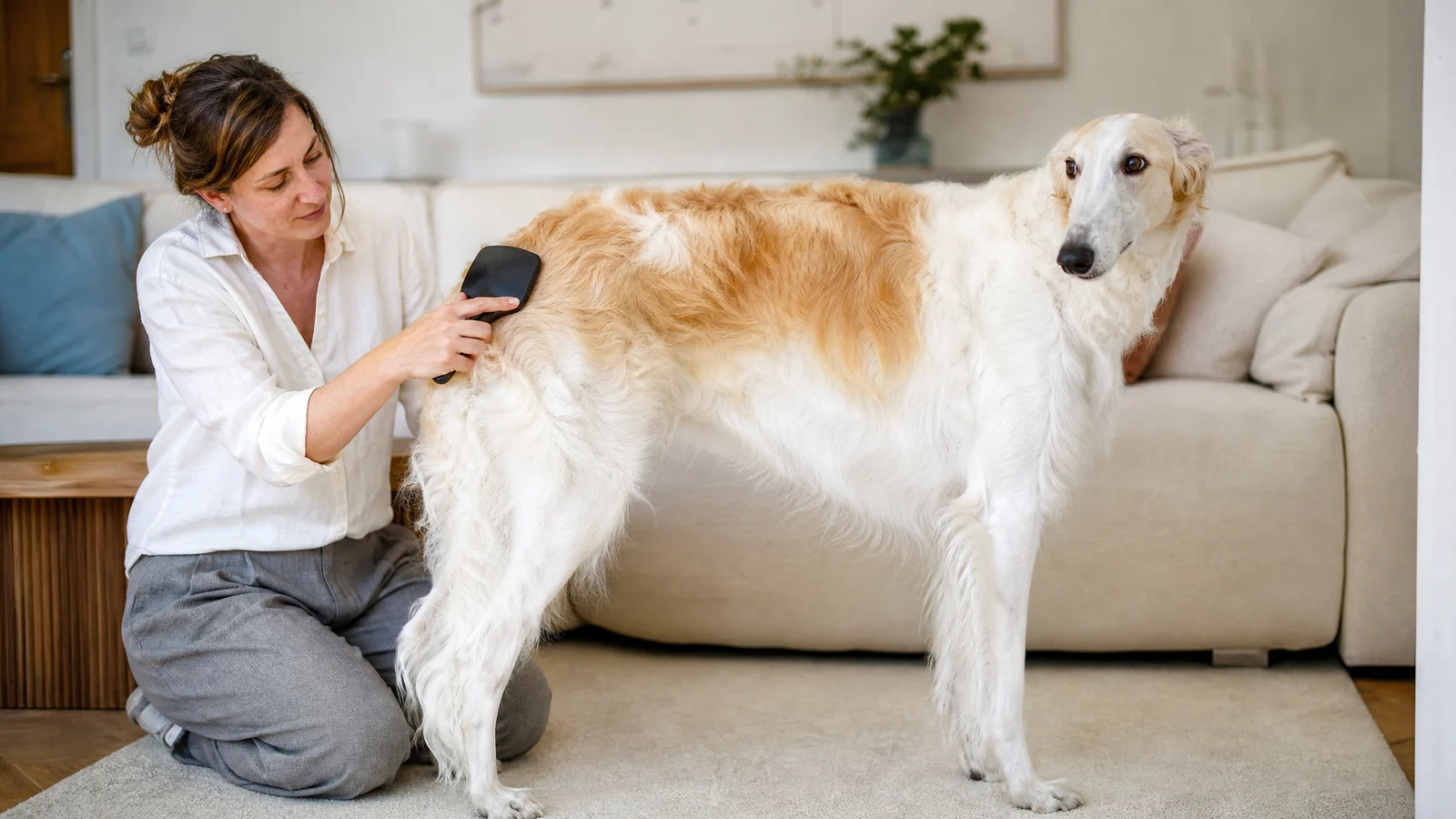
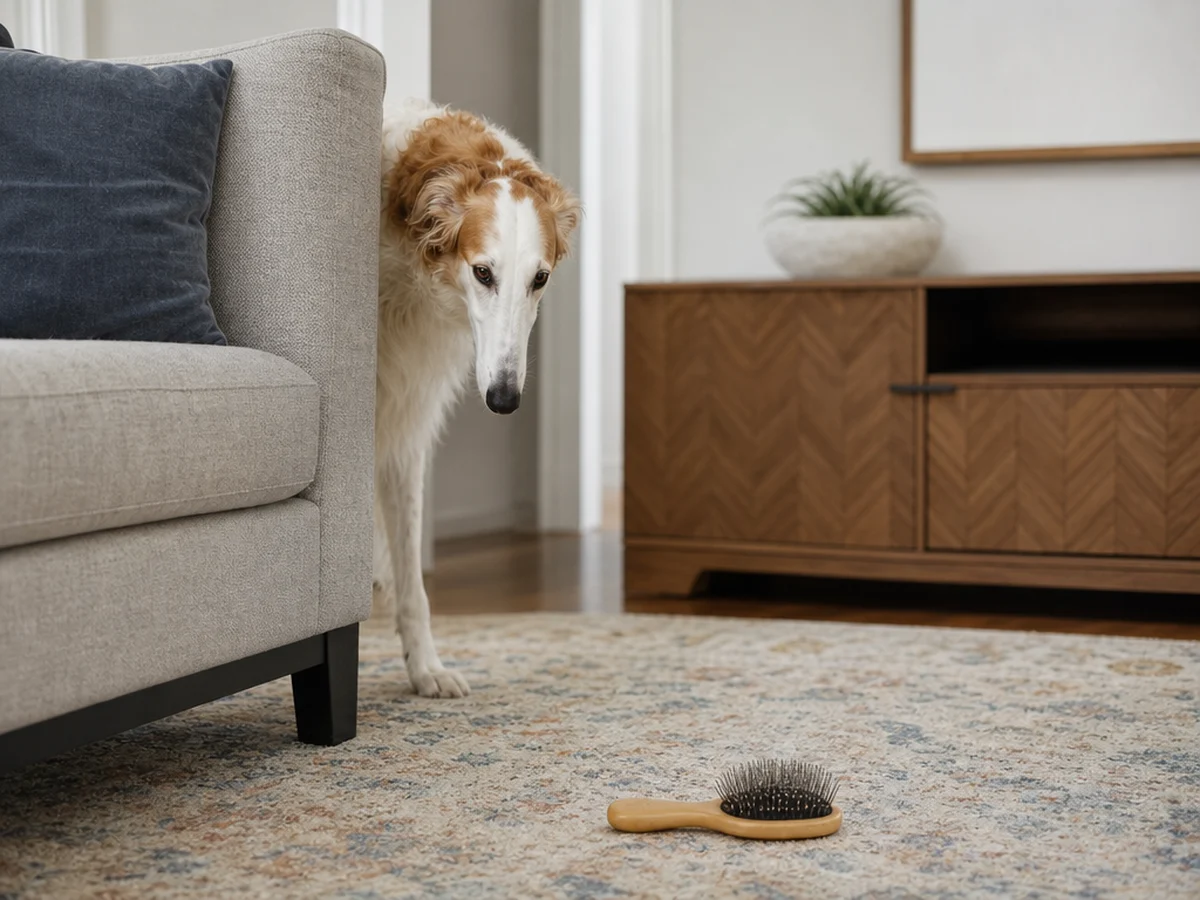
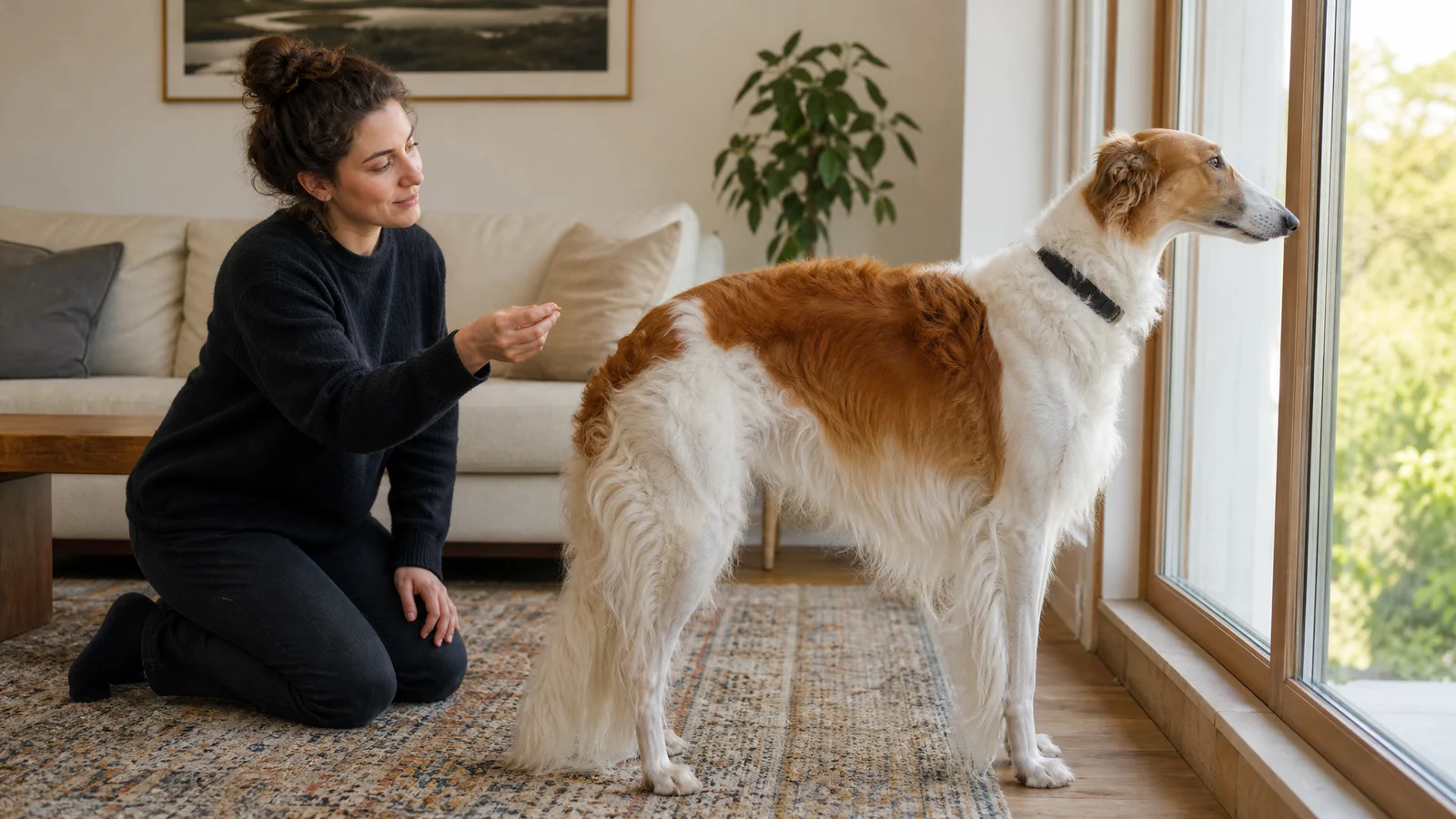
Many owners know this scene well. The moment the brush appears, a tall, normally clingy Borzoi remembers urgent business in another room, folds up behind the couch and watches you with the serene face of a dog who has never heard of brushes.
The coat is rarely the real objection. The dog is reacting to being held, tugged and asked to stand still, and handling is a skill you can teach like any other. We have long specialized in this breed's behavior and training, and grooming is where handling habits show first. A dog who accepts touch is brushed, checked and trimmed in minutes. A dog who doesn't turns every nail trim into a negotiation while mats and tartar pile up.
In this article, we'll go through early handling, the right brush and pressure, where mats form, nails and pad hair, and a tub routine that keeps a tall, thin dog steady, ending with a two-week plan.
Grooming Starts Before the Coat Needs It
Most owners shelve the brush for months because a Borzoi puppy's coat asks for so little. Then an adolescent with endless legs shows up, and nobody has ever asked them to stand still while a stranger's hand works through their feathering. The parent club says to start brushing and nail trimming early with lots of praise so the dog looks forward to it. Grooming should always be a pleasant experience, and that is a training goal.
Tolerance varies, and you won't know which dog you have until you try. Some Borzoi doze off during a first blow dry. Others hate the brush from day one, and their owners learn to work fast. Both get the same plan: very short sessions, a treat or a game after every new touch, and a quit while the dog still wants more.
Three Handling Targets
Short and paid is the rule for a reason. The dog who dislikes grooming can't be bored into cooperating, and the dog who loves it can be talked out of loving it by a session that drags on. Spend the first weeks on the three places every future grooming job will touch:
- Ears: slide a fingertip behind each ear, where mats most often start, and treat. Ears also have to be kept clean, so this pays twice.
- Feet: lift each paw, squeeze the toes lightly and treat, which builds the skill that nails and pad hair will lean on later.
- Mouth: lift a lip, touch the front teeth and treat, so tooth brushing and bite exams are dull long before anyone needs them.
The mouth gets the most patience because the stakes are higher here than in most breeds. Heavy tartar has to be removed by a veterinarian under anesthesia, and sighthounds are more sensitive to anesthesia than other dogs, so regular tooth brushing is the better route. Practice the lip lift with friends too, since a vet or a judge will one day want to see the bite. To set that up with other people, our article on socializing a Borzoi is a good place to start.
This is general information, not medical advice. Ask your veterinarian about tooth care and about anesthesia sensitivity in sighthounds, and mention that sensitivity before any procedure.
Pin Brush and Light Pressure for Borzoi Grooming
A good pin brush suits this coat, while a slicker's bent pins break and tear it, and that is the breed's own advice. A lot of general grooming advice hands you a slicker by default. On a long, silky coat, skip it and save yourself a sulking dog.
Choosing Your Tools
The kit stays short: a pin brush, a steel comb and heavy-duty nail clippers. The coat is long and silky rather than woolly, flat, wavy or rather curly, and it is short and smooth on the head, ears and front of the legs. The length lives in the neck frill and the feathering on the hindquarters and tail, so that is where the brush spends its time.
A grooming table helps because it lets you see what you have accomplished. It also gives the dog one place where brushing happens, which makes the routine easier to predict. Expect to be grooming more than once a week, and plan the routine around that.
Technique That Keeps It Pleasant
Use light strokes. Pins or bristles pressed hard irritate the skin, and a dog with sore skin remembers the brush. Work in layers: lift the upper coat with one hand, brush the hair underneath in small sections, then lay the top back down and move on. A quick brushing every day or two lifts loose hair and dirt, and the comb handles the trouble spots.
Shedding changes the schedule. Owners report the puppy coat shedding out somewhere between about 7 and 12 months, with a full adult coat taking much longer. Some find that a usual brush stops keeping up around a year old. That puts the busiest grooming weeks in adolescence, right when the dog has opinions.
After that, expect a heavier seasonal shed about once a year, lasting several weeks and calling for more frequent sessions. Don't try to save coat during a shed. Dead hair mats readily, and regular complete brushing encourages new growth.
Where Do Mats Form When You Groom a Borzoi?
Ask owners where the tangles live and the answer is almost always the same: behind the ears. That surprises people who expect the trouble to start in the long feathering. The neck frill and the feathering on the hindquarters and tail still need checking. But the first knot usually turns up behind an ear, found while you were petting something else.
Owners manage it in one of two ways. Some comb that spot every week, and others brush the whole dog twice a week. A dog who hates full sessions often accepts a quick comb of one small area more readily. When you do find a mat, the order of operations matters:
- Hold the hair at its base so tugs never reach the skin, then pick the mat apart from the edges with the tip of a steel comb.
- Work slowly, a few hairs at a time, and pay for patience with treats, because a dog whose mat was yanked out will be elsewhere the next time the comb appears.
- If a knot is truly tight, trim out only that trouble spot rather than pulling. The coat should never look trimmed, so a small snip in a hidden place like behind the ear is the limit.
- Hand a large mat to a groomer, and start groomer visits once vaccinated with reward-based introductions so the setting is familiar.
Nails and Pad Hair as Regular Grooming
Nails are where an otherwise agreeable Borzoi can dig in. The brush session went fine, the clippers appear, and the dog who learns every other cue may turn into dead weight. In our experience this resistance is about what the dog wants, and what they want is their feet left alone. The cure is repetition in small, paid steps, not one heroic session.
If that sounds familiar, our look at whether Borzoi are easy to train explains why a quick learner can still ignore the one cue that costs them something. That distinction shapes every foot-handling session.
Keeping Nails Short
A good rule of thumb is nails short enough not to touch the floor, clipped regularly so you avoid cutting the quick. Nails are softer after a bath and the quick is easier to see, so schedule trims then. Most dogs need time to accept clippers and grinders. Start with one nail a day, either clipping it or just going through the motions, and follow with a treat and praise. Over time that builds up to fuss-free trims.
Pad Hair and Foot Handling
The hair between the paw pads needs trimming regularly, and that is a foot-handling job as much as a haircut. Run your palm along each leg, squeeze each toe lightly, and pay with a treat every time. Make daily foot massage part of the routine for a couple of weeks, and a nail trim should then bother them far less. Do pad hair on the same day as nails, so feet become one routine instead of two ambushes.
Borzoi Bath Time Without the Bracing
A tall, narrow dog on a wet tub floor does a convincing impression of a newborn deer, and owners often read the splayed legs as hatred of baths. Often it's footing. A suction-cup rubber mat gives them something solid to stand on, and the bath becomes about the water instead of survival. Once the tub is safe and boring, we expect baths to get much easier for them.
Before the Water
Brush and comb the coat out first, and work out any mat that survived very gently, because water doesn't make a knot friendlier. Lay the suction mat, line up tearless shampoo, a hand-held spray hose and treats, then bring the dog in calmly. Keep the session as short and happy as the rest of your training.
In the Tub
Start at the head with tepid water and keep going, rinsing again and again until no shampoo is left. Talk, treat, and let the dog lean on you, since a Borzoi who feels steady stays still. During a heavy shed, a warm bath helps loosen dead hair, which matters because dead hair mats readily. Owners also describe little or no doggy smell afterward, so the bath is mostly for the coat.
Drying and Afterward
Remove water by blotting and squeezing, and never pull the hair. If you use a hot-air dryer, keep the airflow moving, because holding it on one spot can irritate the skin. A dog who falls asleep during a first blow dry is telling you the earlier steps worked. Then trim nails while they're soft and finish with a treat.
How Often Should a Borzoi Be Groomed?
The honest answer is a steady rhythm with a few busier stretches. The coat is long to medium and silky, so it asks for less than its looks suggest, but it asks regularly. Here is how the routine splits by task.
Brushing and Combing
A quick pin-brush session every day or two keeps loose hair and dirt off the coat. Some owners comb behind the ears weekly, where mats form first, and others brush twice a week. Keep sessions short, because some Borzoi love the attention and others tolerate it only briefly.
Plan for heavier weeks. About once a year they shed more for several weeks, and more frequent grooming is needed then. Owners also report that the puppy coat sheds out through adolescence, and a usual brush may stop keeping up. Dead hair mats readily, so do not skip sessions in those weeks.
Nails and Pad Hair
Check nails regularly rather than waiting until you hear them on the floor. The goal is nails short enough not to touch it. Trim pad hair on the same schedule, so short, frequent sessions keep feet easy to handle.
Baths
Regular baths keep the coat clean. Many owners note little or no doggy smell, even weeks after a bath. During a heavy shed, a warm bath helps loosen dead hair. Follow it with a thorough brush-out, and keep every step pleasant by pairing it with reward-based grooming practice.
A Borzoi Who Looks Forward to Grooming
The payoff shows up away from home. A dog who accepts a pin brush on a grooming table also tolerates an exam table, a groomer's hands and a stranger's fingers near their teeth. Cardiac screening can mean wearing a Holter monitor in a vest for about 24 hours, and adult-onset clearances are repeated yearly. Calm acceptance of straps and body handling is practical preparation.
A good puppy class is a cheap place to rehearse stranger handling, and our guide to choosing a Borzoi training class shows what to look for. Regular vet visits belong in the schedule too, and a dog used to having mouth and feet handled makes every one easier. The next two weeks are mapped out below, with the next step named each time:
- Days 1 to 3: touch and treat. Run a hand down each leg, press each toe, lift a lip and put a fingertip behind each ear, paying every time. Next step: add the brush.
- Days 4 to 7: short brush sessions of two to three minutes with the pin brush and light pressure, ending with a comb behind the ears. Next step: the clippers.
- Days 8 to 11: handle one nail a day, real or pretend, and trim the pad hair on the same day. Next step: the tub.
- Days 12 to 14: one tub session with the suction mat, tepid water and treats, then trim nails while they're soft. Next step: repeat the cycle, with a quick brush every day or two and a weekly comb behind the ears.
Grooming a Borzoi is handling practice with a very long coat attached. Keep it short, paid and on the dog's terms, and you get protection against mats, overgrown nails and tartar that ends in anesthesia, plus a dog who strolls over when the brush appears instead of vanishing behind the couch. The whole job starts with a treat and a fingertip behind an ear.
 BehaviorBorzois and Sudden Noises: Building Calm Confidence at Home
 Training basicsAre Borzois Easy to Train? Temperament and Trainability FAQ
 Exercise and jobsLure Coursing as Training for a Borzoi